Article: Poetic figuration, by Lalou Kraffe

What is Poetic Figuration? The movement re-enchanting contemporary art
In a world saturated with fleeting images and contemporary art that is sometimes considered too conceptual, hermetic, or distant, a silent quest is underway among many art lovers and collectors: the fundamental need to reconnect with pure emotion, beauty, and the pleasure of looking.
It is precisely at the crossroads of artistic rigor and dreams that poetic figuration flourishes. Far from documentary realism and at the opposite end of cerebral coldness, this artistic movement offers an immersion in a hushed world where reality is not erased, but transformed in favor of the intimate and the marvelous.
The origins of a need
Why is poetry returning to painting?
Since the mid-20th century, art has often prioritized discourse, concept, or provocative rupture. While these approaches have marked history, they have also sometimes created a distance from the public.
Poetic figuration is born from a desire to re-enchant. It seeks neither to theorize excessively nor to slavishly reproduce reality in the manner of a photograph.
It follows in the footsteps of the masters of Symbolism, the Nabis, or the painters of the "floating world", for whom an image must above all be an open door to the soul.
The 4 Pillars of Poetic Figuration
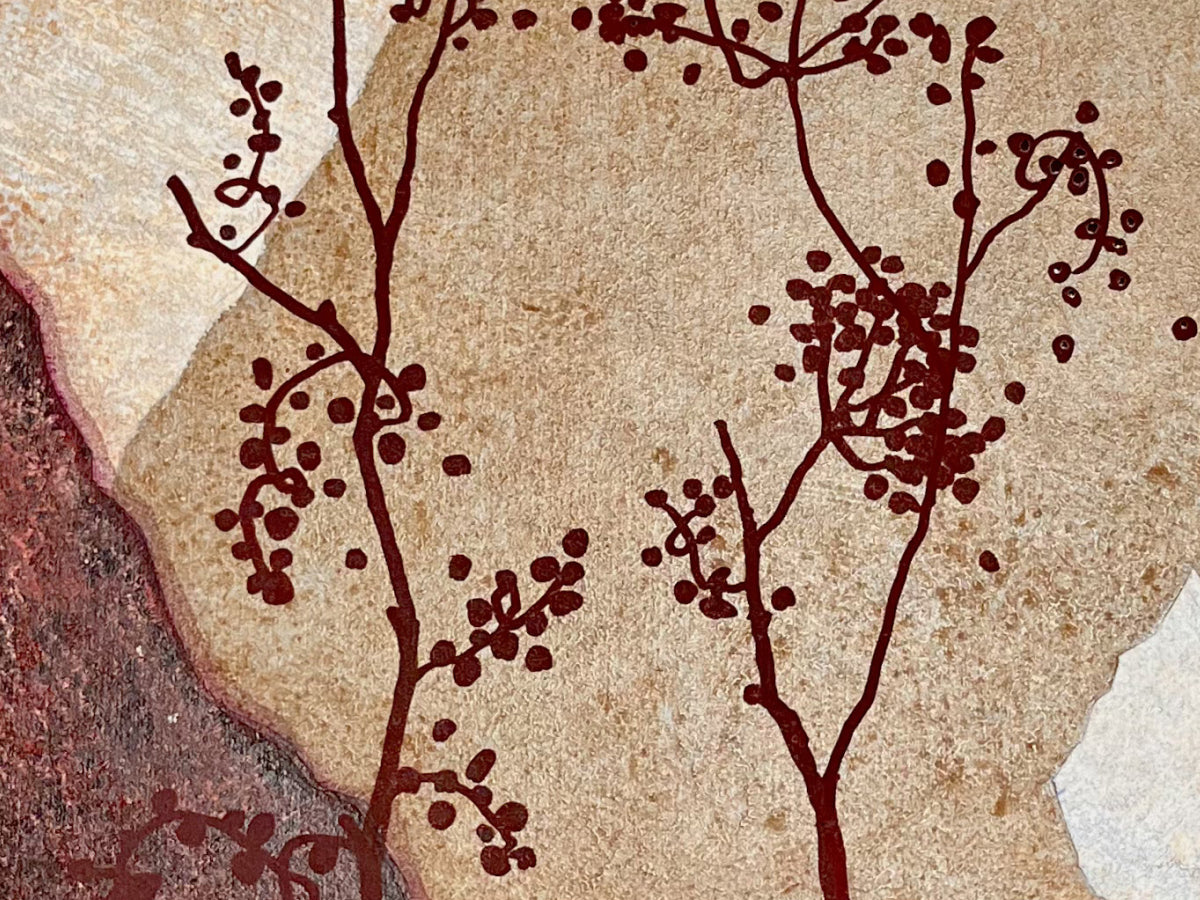
The readable subject, and the open meaning
Poetic figuration remains clearly rooted in the tangible world: one immediately recognizes a mysterious silhouette, the grace of a face, the flight of a bird, or the mineral balance of a rock.
Yet, the work never reveals its full truth at first glance. The composition leaves a suspended narrative floating, which each viewer is free to complete with their own experiences, memories, and dreams.
The 4 Pillars of Poetic Figuration
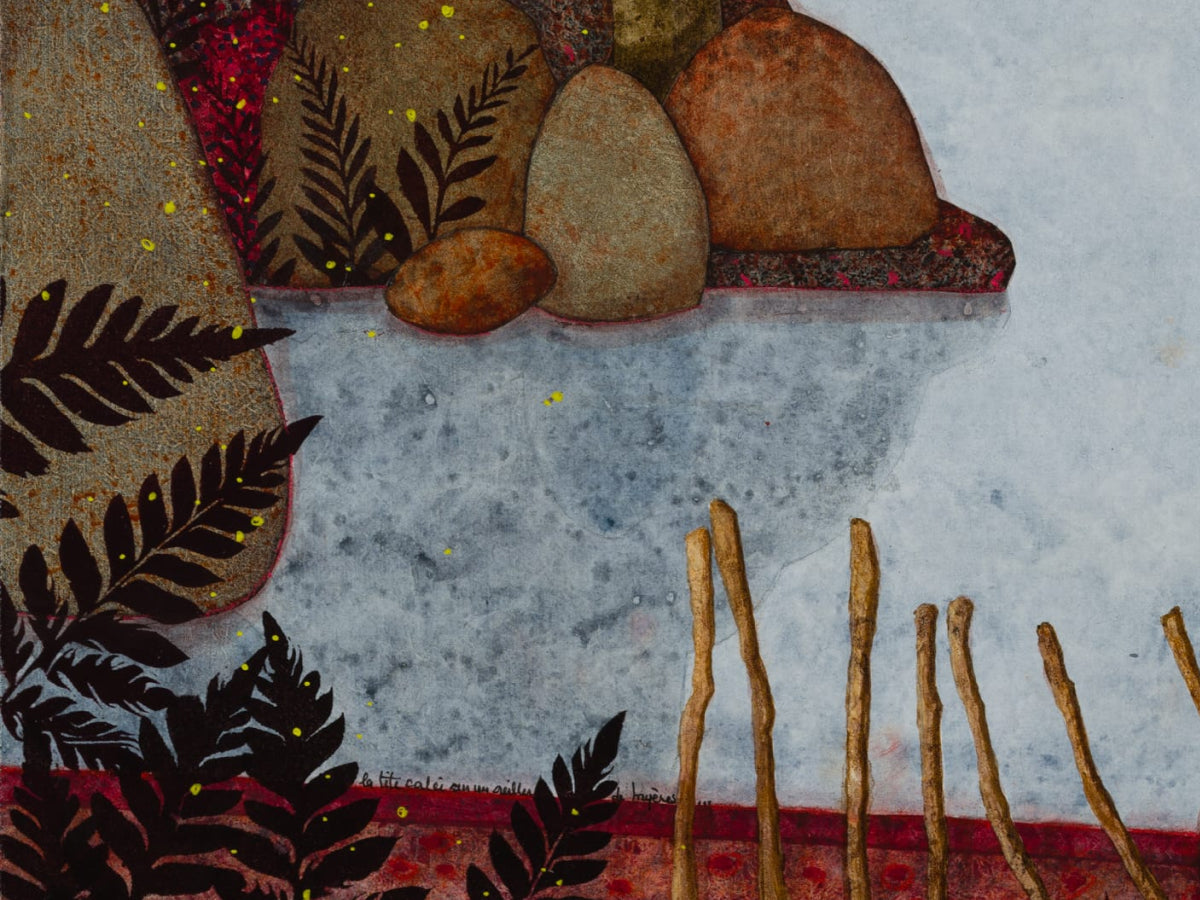
The nobility of materials and the passion of craftsmanship
This movement rehabilitates craftsmanship and technical mastery in their noblest forms, following the example of William Morris and the Arts and Crafts movement.
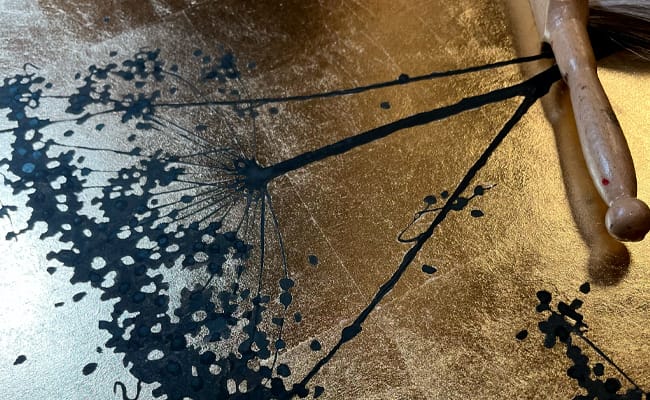
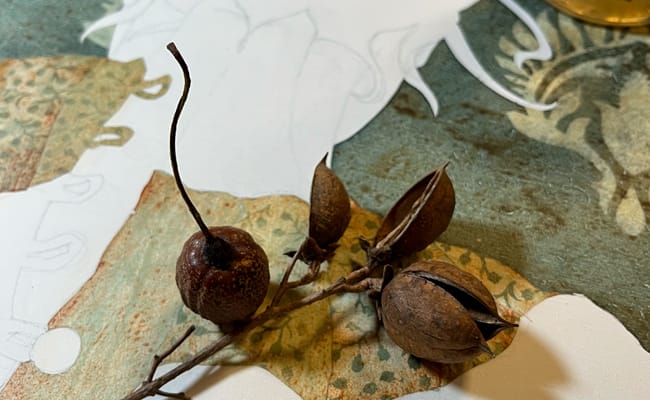
The rigorous selection of supports, the working of textures, the preparation of grounds, and research into pigments are not merely logistical steps: they constitute the very flesh of the painting. Technique is never a display of force; it is entirely at the service of sensibility.
The 4 Pillars of Poetic Figuration
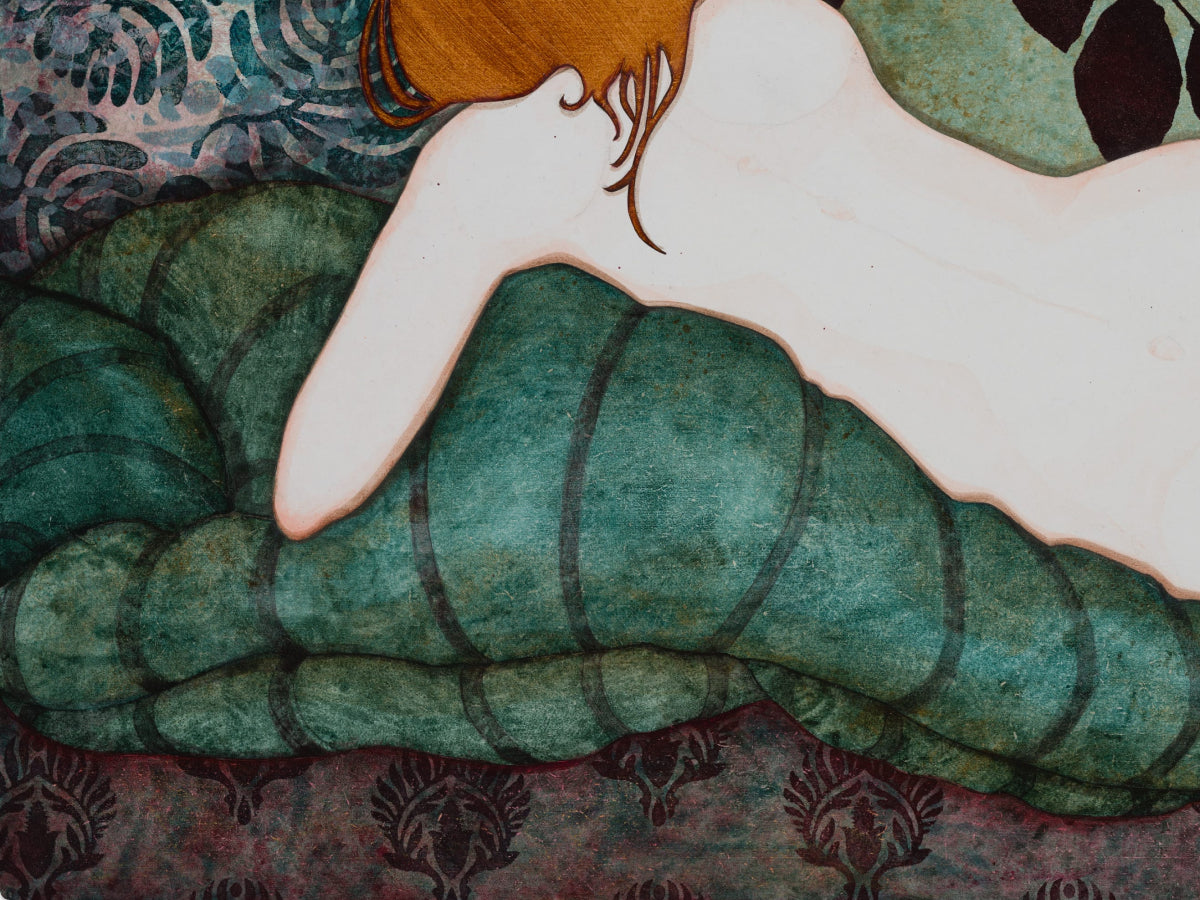
The luxury of slow time and the whisper
A poetic figurative work does not use garish colors or aggressive visual effects to capture attention. It acts like a whisper.
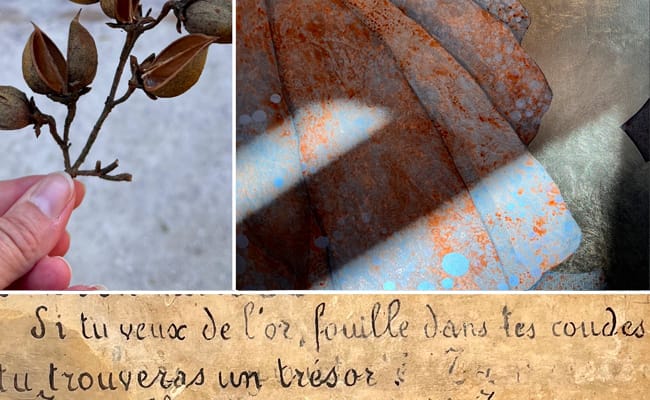
It is an art of slow contemplation that truly reveals itself in what is called the "second reading" — those subtle details, those engraved words, those reliefs and those plays of light that only appear to those who take the time to stop.
The 4 Pillars of Poetic Figuration
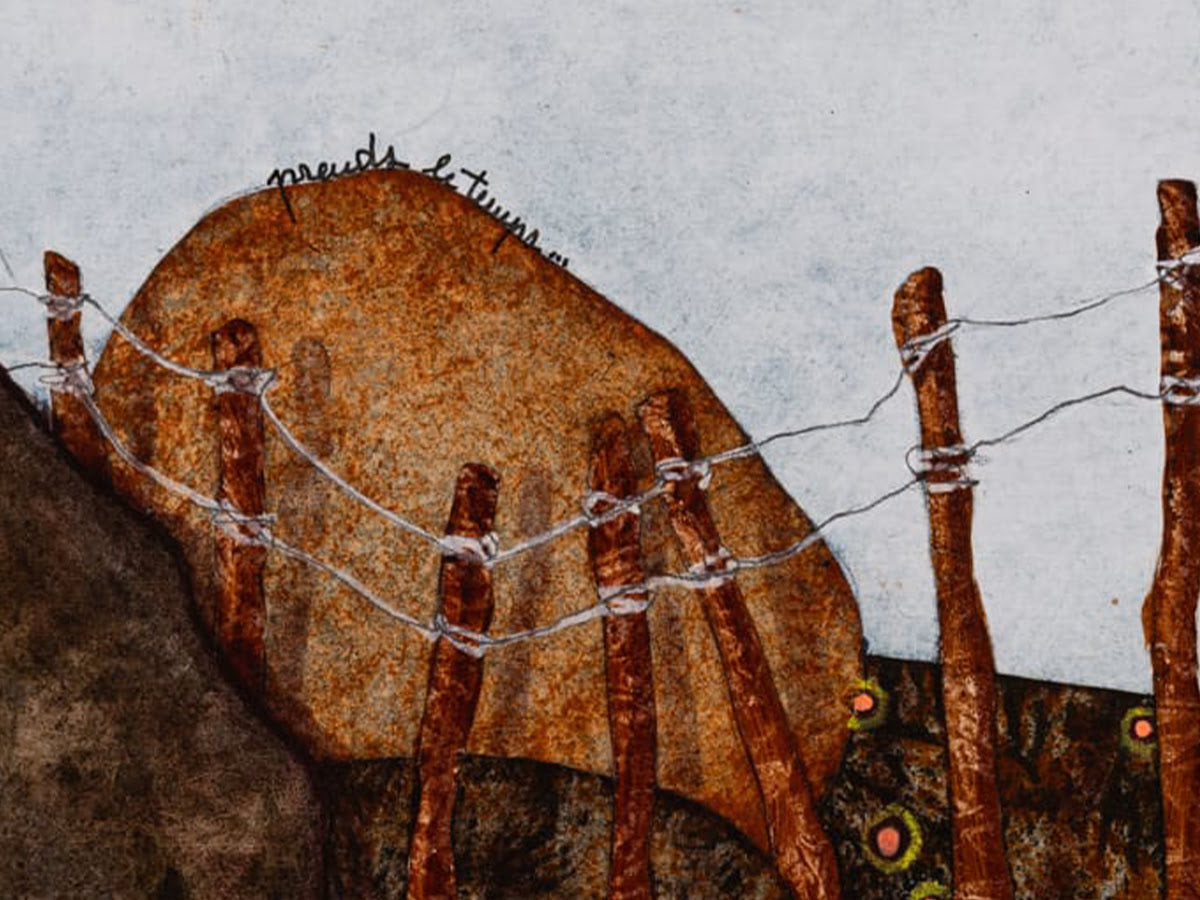
Resonance with nature and memory
Whether it is the human body or the landscape, nature is depicted as a vessel for emotions.
A flower is not merely a plant, a rock not merely a block of stone: they become symbols of resilience, the passage of time, or rootedness.
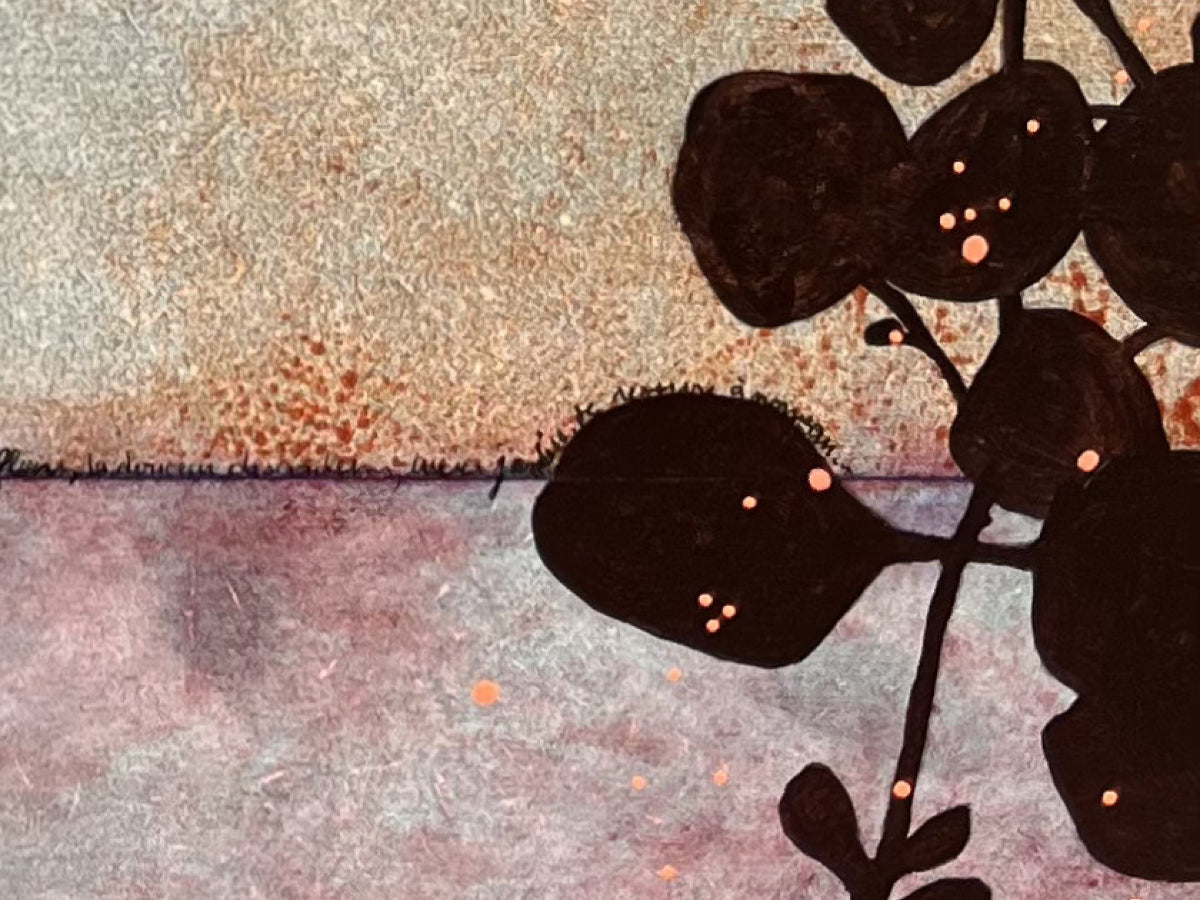
Lalou Kraffe
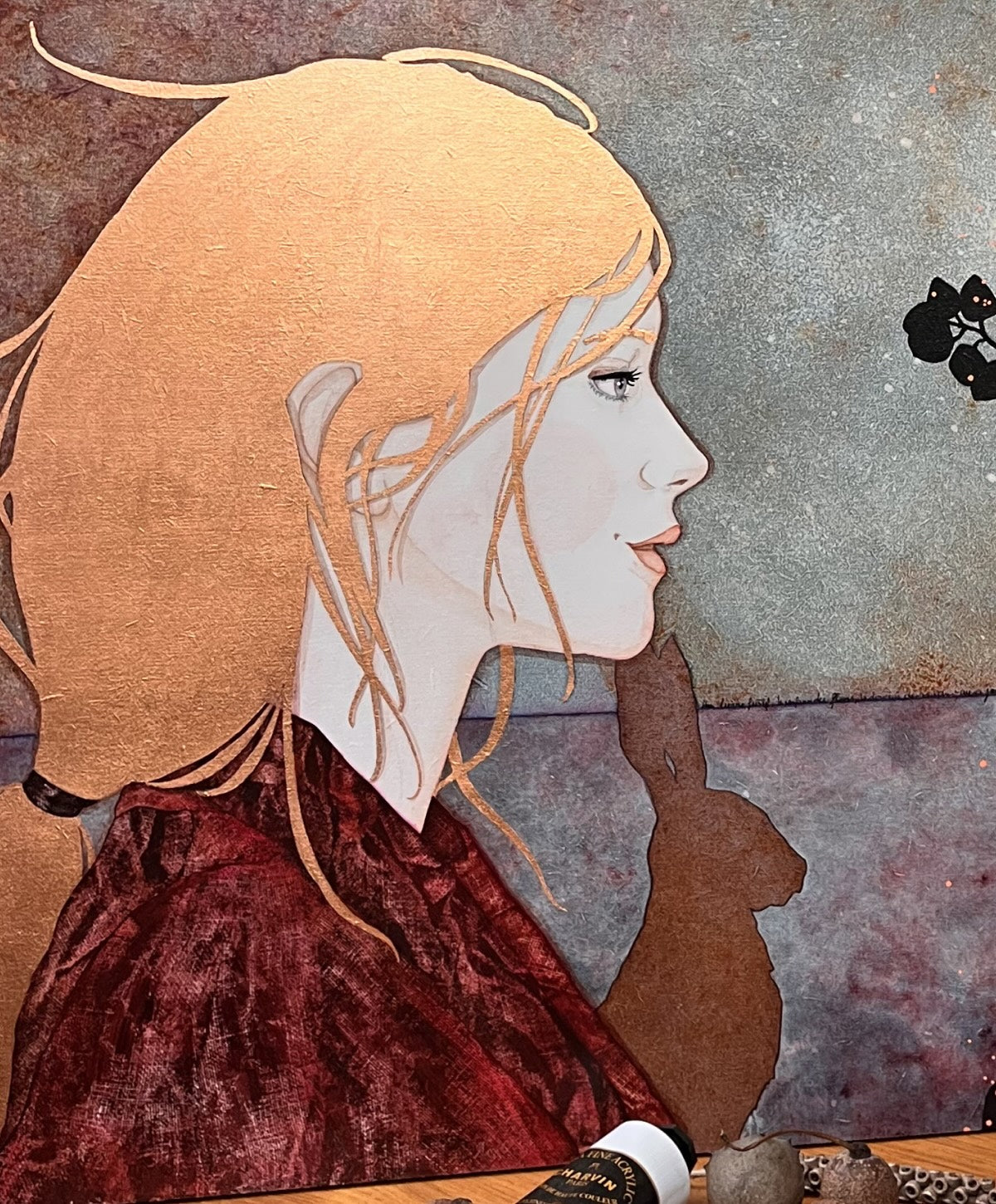
Embodying poetry in full bloom on wood
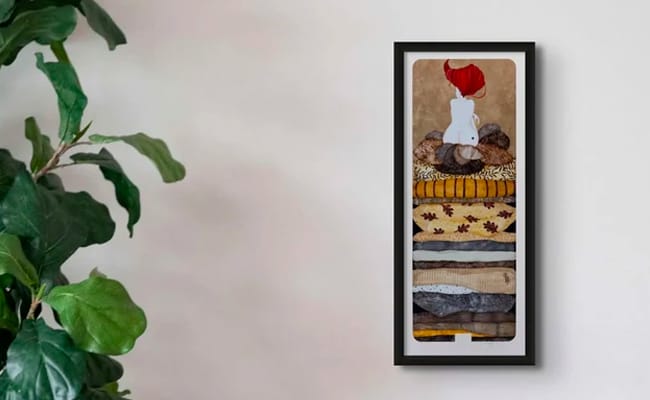
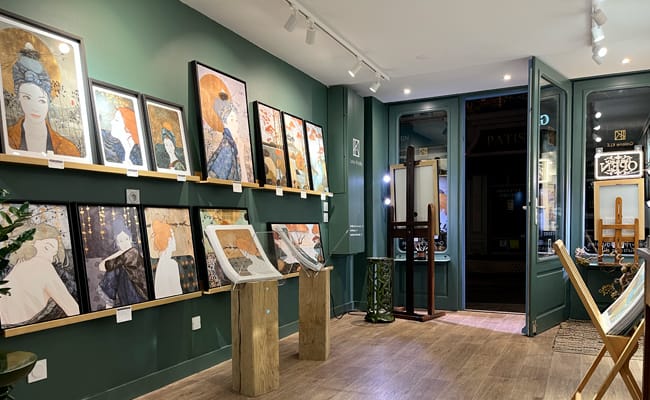
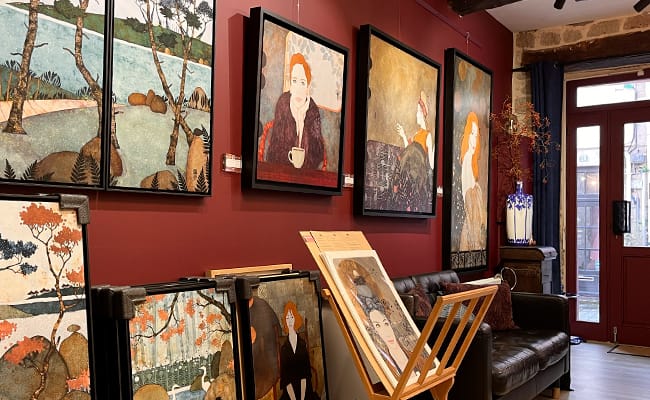
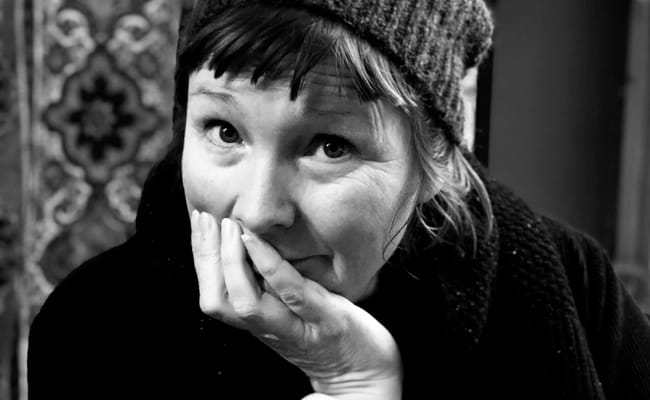
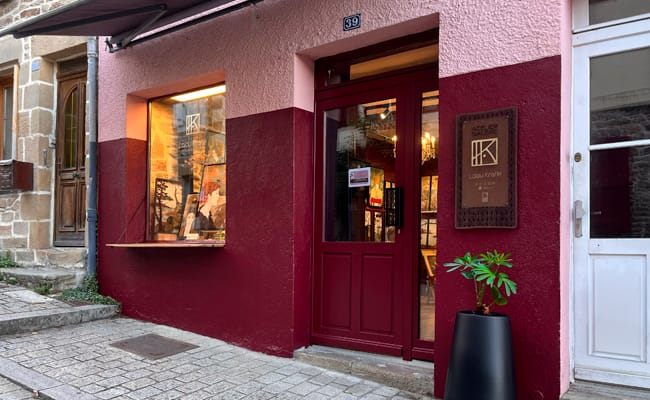
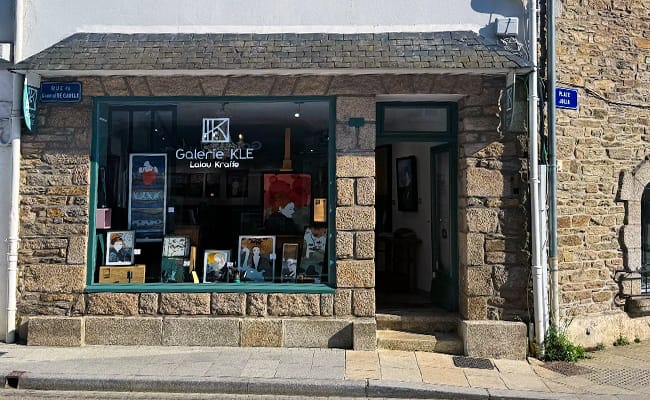
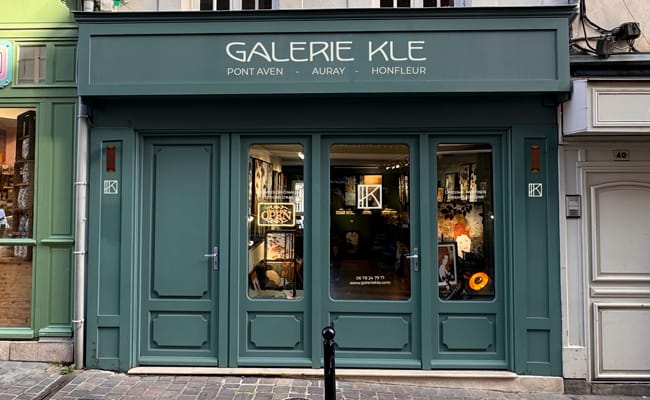
At Galerie KLE, Lalou Kraffe's work is one of the most accomplished and sincere examples of this poetic contemporary figuration. For over two decades, the artist has shaped a unique universe where the demands of the material always fade behind the delicacy of emotion.
Bonnard, Vuillard, Denis...
The Nabis, foundation of poetic figuration
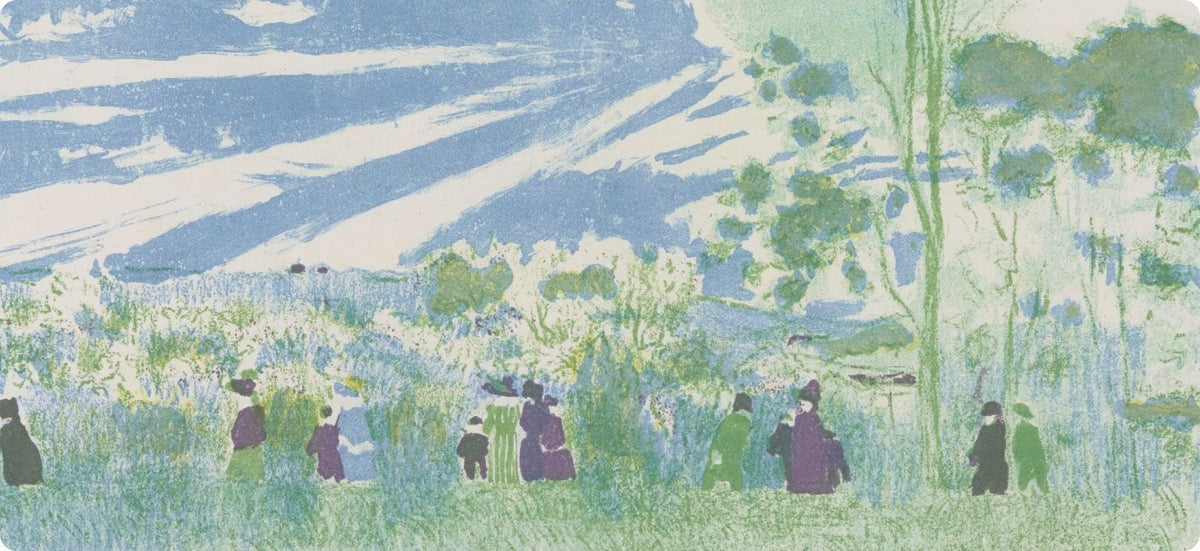
This group of late 19th-century artists (led by Pierre Bonnard, Édouard Vuillard and Maurice Denis) laid the modern foundations of this approach by rejecting realism in favor of dreams, subjectivity, and symbolism.
Their work perfectly illustrates the meeting point between figuration and poetry through several key principles:
1. The poetic transposition of nature
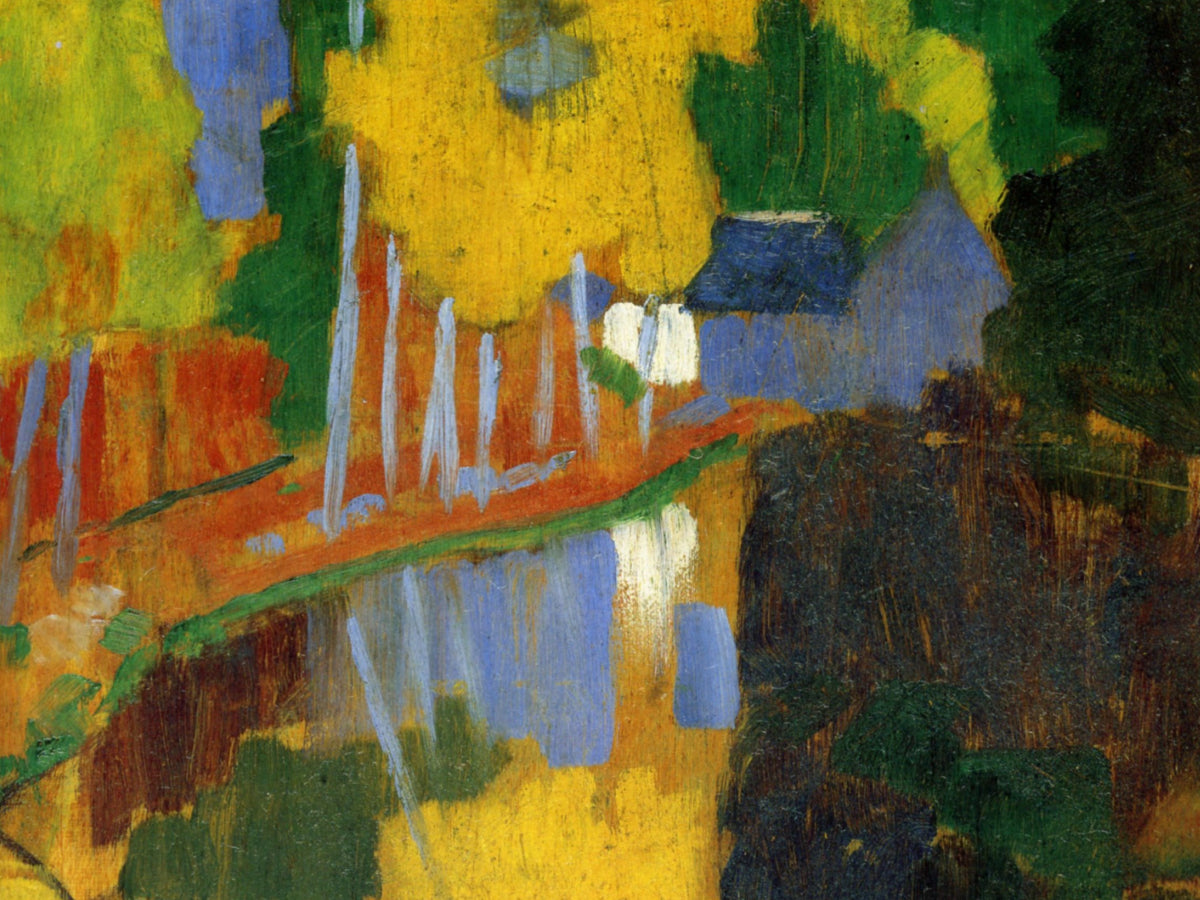
Les Nabis do not seek to faithfully copy the outside world. Inspired by Paul Gauguin, they choose to "transpose" reality using subjective colors and simplified forms. A landscape or a tree is no longer a mere physical object, but becomes a visual equivalent of an emotion or an inner sensation
2. An aesthetic of intimacy and mystery
3. Correspondences with Symbolist literature
Les Nabis were very close to the Symbolist poets of their time, such as Stéphane Mallarmé or Paul Verlaine. They actively collaborated on avant-garde theater sets and the illustration of poetry collections. Their art shares the same ambition as written poetry: to suggest rather than describe, and to make the soul resonate through color and line.
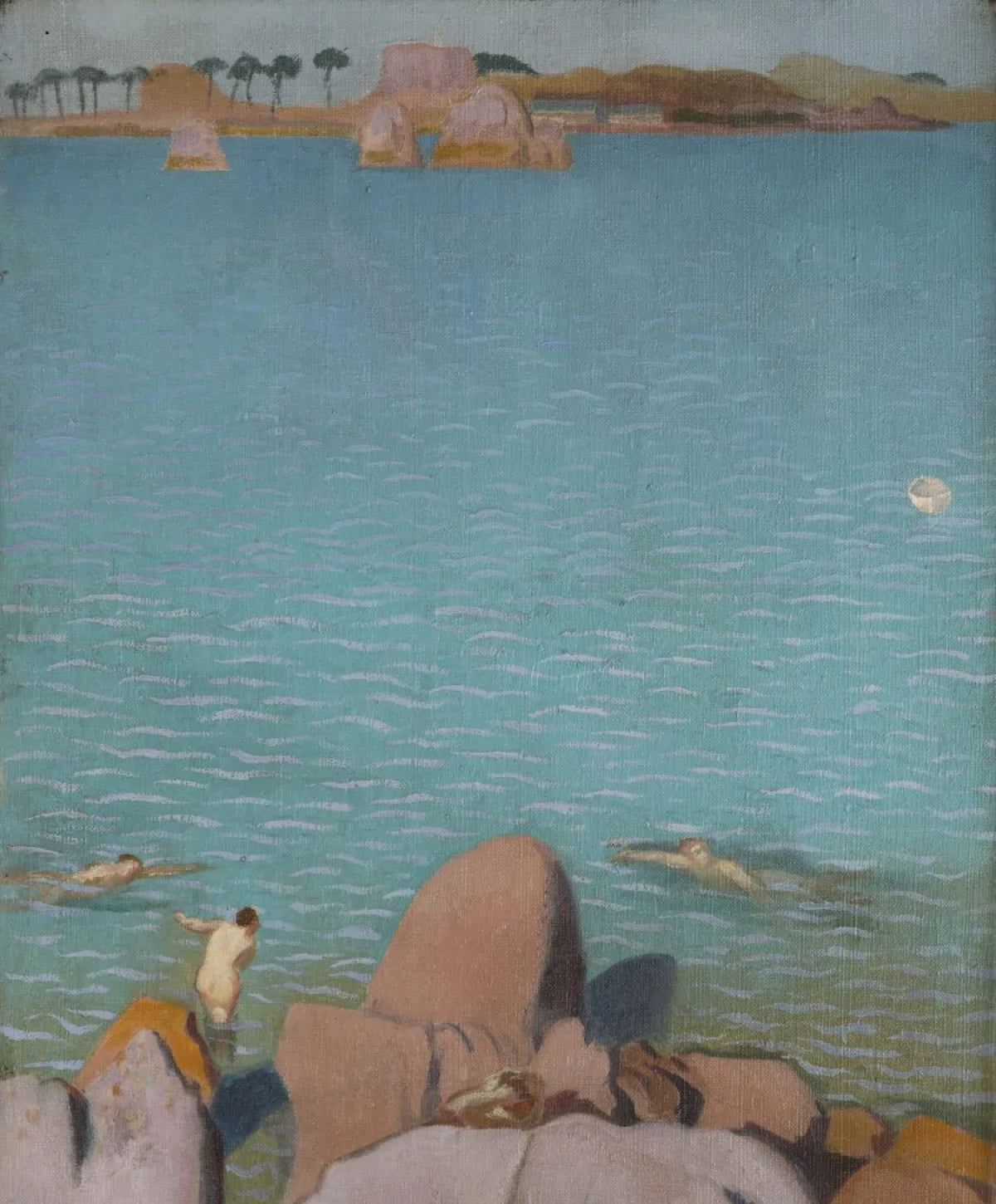

Glasgow Girls: The Scottish Artists Who Revolutionized Art
Discover the Glasgow Girls, those bold Scottish artists who made their mark on art history at the end of the 19th century.Creativity, emancipation, and modernity—immerse yourself in the world of an...
Read more
User Name 2 Days ago
Lorem ipsum dolor sit amet, consectetuer adipiscing elit. Aenean commodo ligula eget dolor.